


Warning Signs Your Roof May Be Closer to Replacement Than You Think
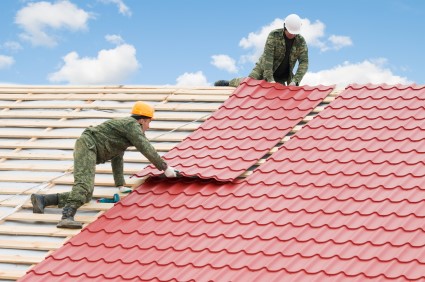
Along the Brunswick County coast, roofs work hard. Salt air, high humidity, and fast-changing storms can wear out shingles sooner than many homeowners expect. If you live in Southport, NC, learning a few simple warning signs will help you act before small issues turn into costly water damage. When the evidence points to the end of a roof’s lifespan, our team can guide you through a smooth, code-compliant roof replacement that protects your home for the long run.
Top Roof Replacement Signs Southport, NC Homeowners Should Watch
Your roof talks to you. It does not shout, but it leaves clues you can spot from the ground or inside your home. Here are the red flags that suggest your roof is closer to its final chapter:
- Repeated leaks after rain or wind, especially in the same rooms or around light fixtures and vents
- Curling, cracked, or missing shingles that return even after spot repairs
- Heavy granules in gutters or at downspout exits that leave “bald” shingle patches behind
- Dark streaks from algae that hold moisture and heat, speeding shingle wear
- Soft, spongy roof areas or dips you can see from the street that signal weakened decking
- Daylight visible in the attic at seams, ridge, or around penetrations
- Rust or loose flashing at chimneys, walls, or skylights
- Rising energy bills caused by a failing roof system and poor attic ventilation
Do not ignore an active leak, even a small one. Water travels. What you see on a ceiling is often several feet away from where the roof is failing.
How Coastal Weather Speeds Up Roof Aging In Southport, NC
Life by the water has a rhythm. Late summer heat, tropical systems, and winter nor’easters each stress your roof in different ways. In neighborhoods like St. James, Boiling Spring Lakes, Oak Island, and Historic Southport, the common culprits include:
Salt spray: Tiny salt crystals act like sandpaper on shingles and metal flashings. Over time they strip protective granules and can start corrosion.
Wind gusts: Sudden gusts during squalls lift shingle edges. Even if shingles do not blow off, broken adhesive bonds leave them loose and leaky.
Intense sun: UV rays bake shingles, drive out oils, and make them brittle. That is why edges curl and tabs crack faster near the coast.
Heavy rain: Fast, wind-driven rain can push water under shingles and into flashing seams where it lingers and finds a path inside.
Multiple leaks after a single storm often point to a system-level failure rather than a one-off repair. In those cases, a full replacement restores strength and weatherproofing instead of patching weak spots one by one.
Age And Lifespan: When Time Becomes The Biggest Sign
Material, installation quality, attic ventilation, and weather all affect lifespan. Many local asphalt shingle roofs reach the end of reliable service in the two-decade range, sometimes sooner in salty, sunny, high-wind zones. If your roof was installed many years ago and you are starting to see several issues at once, it is a strong signal that replacement planning should begin.
Home buyers and insurers also look closely at roof age. A newer, properly installed system with balanced ventilation and sealed flashings can reduce risk and improve confidence during a sale or renewal.
Leaks That Keep Returning After Repairs
Repairs are helpful when the roof is generally healthy and damage is isolated. But when leaks return in the same season or jump to new areas, the shingle field or underlayment may be compromised. If you have called for roof repairs more than once in a short time, talk with a trusted pro about the tipping point where a planned replacement saves time and worry.
Visible sagging is a structural red flag. Sagging can mean the decking is weakened by long-term moisture or poor ventilation. This deserves prompt professional attention to prevent further damage.
Attic Clues That Point To Roof Replacement
Your attic often speaks first. On a sunny day, look from a safe spot at the attic floor and rafters. Without climbing or touching anything, note what you can see and smell.
- Light shining through sheathing seams or nail holes indicates gaps in the roof system
- Dark stains, a musty odor, or rust on nail tips point to past or ongoing moisture
- Insulation that is matted or discolored beneath known leak areas shows water travel
Any of these signs deserve a professional inspection. A thorough check includes the shingle surface, flashings, valleys, ridge vents, and attic ventilation balance so you know exactly what is happening.
Granules In Your Gutters: Small Stones, Big Message
Granules are the roof’s sunscreen. When you find piles of them in gutters or by downspouts after wind and rain, shingles are shedding protection fast. Bald or shiny patches on sunny slopes often follow. That surface loss makes the roof heat up more, which then speeds cracking and curling. It is a spiral that ends with leaks unless addressed.
Algae Streaks, Moss, And Stains
Algae growth is common in our climate. It looks like dark streaks running down the slope. While algae alone does not always mean failure, it traps moisture and heat on the shingle surface. Moss is worse, because roots lift shingles and hold water against seams. Combined with age and other wear, biological growth is a sign to evaluate the roof’s remaining life.
Storm Damage You Might Miss From The Street
Not all storm damage is dramatic. Wind can crease shingle tabs without tearing them off. Hail can bruise the mat and knock off granules. Both weaken the roof and shorten its life. After named storms or widespread squalls that hit Southport and nearby beaches, consider a professional assessment to document the roof’s condition.
When Repair Dollars Would Be Better Spent On A New Roof
It is smart to fix a small problem early. But when the list grows, you can end up chasing symptoms. If you are facing frequent shingle blow-offs, recurring leaks around multiple penetrations, and spreading granule loss, a full system approach is usually the wiser path. A planned roof replacement gives you fresh underlayment, sealed flashing, and balanced ventilation together so each piece supports the other.
What A Professional Roof Evaluation Includes
A trustworthy inspection is methodical and clear. You should expect detailed notes and photos of the shingle field, edges, valleys, and all flashing points. Pros also check the attic for moisture marks, ventilation flow, and any daylight at seams. The result is a plain-language report that outlines the condition, priority items, and next best steps so you can decide with confidence.
Want to learn more about maintenance and materials? Browse our home tips blog for simple, homeowner-friendly guidance you can use to spot issues early and have informed conversations with a pro.
Local Context: Southport Neighborhoods And Weather Patterns
From cottage roofs near the Cape Fear River to newer builds in St. James and Boiling Spring Lakes, exposure varies. Homes closer to open water and soundside breezes often see faster wear from salt and wind. Inland streets shielded by trees can struggle with debris piles and algae growth. Peak roof stress commonly arrives from late summer into early fall when heat and storm activity both rise.
If you have bought a home that you plan to remodel or you are getting ready to sell, a fresh roof can remove a major sticking point. Lenders, buyers, and insurers all feel better when the roof system is solid and recent.
Simple Ground-Level Checks Between Professional Visits
You do not need a ladder to notice a problem. From a safe spot, take note of:
- Shingle edges that look lifted or curled compared to nearby homes
- Gutter runoff carrying black or sandy material after a storm
- Water spots on ceilings, especially after wind-driven rain
- Flashing areas that look separated or rusted around chimneys and walls
Safety first: leave roof walking to trained crews with proper equipment. Your job is to observe and call early.
Planning Ahead Keeps You In Control
Being proactive turns roof work from an emergency into a scheduled upgrade. If you are noticing two or more of the signs in this guide, start a conversation with a reputable local team. For a quick overview of materials and process in our area, bookmark roof replacement Southport, NC resources on our home page and keep notes about what you are seeing after each major storm.
Ready To Protect Your Home With Confidence
When you are ready, The Roof Maker is here to help. We will evaluate your roof, explain your options in clear terms, and recommend the best path for your home’s age, style, and exposure. If replacement is the right move, we will schedule at a time that works for you and keep you informed from start to finish. For fast help, call us at 910-845-2255 or request a visit through our service page.
Take the next step to safeguard your home and the things you love. Explore your options and schedule a visit through our dedicated roof replacement page, or reach The Roof Maker now at 910-845-2255 to get started.