


Warning Signs Storm Damage May Be Hiding on Your Roof in St. James, NC
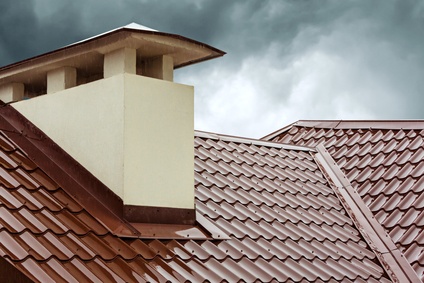
Coastal weather can be tough on roofs, and the real trouble often stays out of sight. If you want to spot storm damage roof signs in St. James, NC before they turn into leaks, it helps to know what to look for and where problems like to hide. If your home took wind, rain, or hail recently, schedule a quick check and request professional roof repairs and a post‑storm inspection so small issues do not grow into major headaches.
Why Damage Hides On Coastal Roofs In St. James
Our area sits close to the Intracoastal Waterway, so wind-driven rain can push moisture under shingle edges and into seams. Salt in the air dries surfaces fast, which can mask early signs of moisture. Pine needles and oak leaves collect in valleys and along low slopes, holding water where it should run off. Complex roof designs with dormers and decorative transitions create extra places for leaks to start.
Hurricane season runs through late fall, and quick summer downpours arrive with little warning. Even if shingles look fine from the driveway, hidden damage can be present under lifted tabs, thin spots, or metal flashing that shifted during a gust. The longer moisture lingers, the more it can stain sheathing or weaken fasteners.
Storm Damage Roof Signs Homeowners Miss Most
Not every warning sign looks dramatic. Some clues are subtle and easy to overlook during a quick glance from the ground. Keep an eye out for these issues after a storm passes through St. James or nearby communities:
- Granules collecting in gutters or at the base of downspouts, which can signal hail bruising or shingle aging accelerated by wind and rain.
- Crescent-shaped creases along shingle tabs that flap in high winds then settle back down.
- Tiny gaps where step flashing meets siding around chimneys, dormers, and wall tie-ins.
- Dented ridge vents, metal valleys, or turtle vents that suggest hail impact on the roof surface nearby.
- Dark, circular spots on shingles that feel soft when pressed, indicating bruising under the surface.
- Loose or misaligned ridge caps that catch wind gusts before the rest of the field shingles do.
Inside the home, you might notice faint ceiling discoloration, a musty odor in an upstairs closet, or a bathroom fan letting in damp air during a storm. These are early clues that water is traveling along framing or insulation before it shows up as a drip.
Wind Damage Versus Hail Damage: How The Clues Differ
Wind and hail leave different fingerprints. Wind tends to lift, bend, or crease shingles. You may see tabs that do not lie flat, especially along edges and ridges. Seal strips might be torn or dirt-streaked from movement. Fasteners can loosen just enough for water to slip under the surface during the next squall.
Hail is more about impact. Look for round dents on metal vents and gutters. On shingles, you may find dark bruises where granules are crushed away, exposing the asphalt underneath. Over time, those spots weather faster and can become entry points for moisture. If metal shows dents, the shingles nearby deserve a closer look.
Where Roof Storm Damage Likes To Hide In St. James
Homes near marshes and the waterway often get swirling winds that drive rain in unusual directions. That can push moisture into places that are usually safe during gentle showers. Pay special attention to:
- Valleys that collect needles and leaves from tall pines along fairways and greenbelts.
- Transitions between low-slope porch roofs and the main roof where wind lifts water uphill.
- Chimney shoulders and sidewalls where step flashing must overlap perfectly.
- Skylight perimeters, especially on older curbs where seals have hardened.
- Edges above coastal-facing facades that take the brunt of onshore wind.
If you are unsure whether the marks you see are normal aging or storm related, it is smart to bring in a pro. A thorough inspection checks seal strips, underlayment, and flashing alignment across the whole system, not just the obvious spots.
Timing Matters After Severe Weather
Some leaks show up fast. Others take a few rain cycles to reveal themselves. Shingles that got creased in a thunderstorm may curl a week later, and hail bruises can turn into bare asphalt patches as granules wash away. That is why a prompt evaluation is wise even if the sky is clear today.
If you suspect a problem, have The Roof Maker take a closer look and book roof repairs after a storm before the next front moves in. Catching issues early protects decking, insulation, and interior finishes.
What A Professional Roof Inspection Covers
A trained eye looks beyond surface scuffs. Expect a methodical review of wind-lift patterns, shingle adhesion, and fastener rows. The technician will inspect ridge caps, penetrations, valleys, and all metal components for impact and displacement. They may trace water travel paths in the attic and note ventilation performance that affects drying time after storms.
You should receive a clear summary of findings and a recommended plan to restore weather protection. That plan can include sealing, replacing damaged shingles, correcting flashing, and addressing ventilation or drainage concerns that make the roof more vulnerable in coastal conditions. The goal is not only to fix damage but to harden weak points before the next storm.
Common Misconceptions That Can Lead To Bigger Problems
It is easy to assume no news is good news after a storm, but roofs often keep problems quiet. Here are a few beliefs that get homeowners in trouble along the Carolina coast:
“If it did not leak, it is fine.” Small openings can let in enough moisture to stain sheathing while staying invisible inside the home for weeks. By the time a ceiling mark appears, damage has usually spread.
“Newer roofs cannot be harmed.” Fresh shingles can still lift in a high gust if they have not fully sealed or if wind direction targets vulnerable edges. Impacts to vents and flashing can also occur on any age roof.
How The Roof Maker Approaches Roof Repairs In St. James
We focus on accuracy, speed, and respect for your home. Our team evaluates wind, rain, and hail signatures across your entire roof system so repairs address the real cause of the issue. You will get a straightforward explanation in plain language and a plan tailored to your roof type and the way storms hit your property.
From small sectional repairs to more involved restoration, we use materials suited for coastal exposure and proven installation methods. We prioritize watertight flashing details, sealed penetrations, and ridge cap integrity where wind tends to strike first. If your home needs urgent attention after a severe cell, our crew can stabilize problem areas and schedule follow-up repairs.
For an overview of our services and to get help fast, start at our homepage. You can learn more about storm damage roof signs in St. James NC and connect with a specialist who knows our local weather patterns.
Preparing Your Home For The Next Coastal Storm
You cannot control the weather, but you can reduce your risk by keeping your roof system in strong shape. Addressing small issues quickly is the simplest way to prevent bigger ones later. When shingles and flashing are tight, your roof sheds water the way it should, even in gusty downpours.
After major weather events, consider a routine checkup so problems do not linger. A short visit from a professional can confirm that seal strips are set, debris is cleared from valleys, and metal components have not shifted. That kind of maintenance keeps warranties on track and reduces surprises during peak storm months.
Neighborhood Notes For St. James Homeowners
Homes tucked behind tree lines may see more leaf buildup and shaded sections that stay damp longer after rain. Waterfront and golf-course properties often feel stronger crosswinds across open areas, which can lift edges sooner. Multi-level rooflines common in our planned communities create extra valleys and sidewall transitions that deserve closer attention during a post-storm review.
Every home is different, yet the pattern is similar. Storms test edges and details first. That is why precise inspections and repairs matter so much here on the coast.