


Signs Poor Roof Ventilation Could Be Causing Bigger Problems in Oak Island, NC
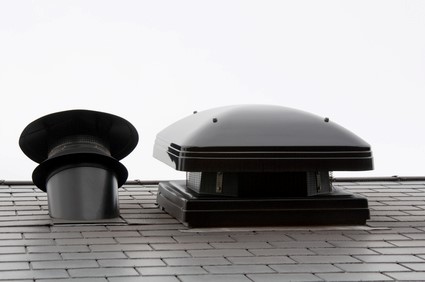
Hot, humid summers and salty sea air are part of life in Oak Island, NC. That mix can punish a roof, especially when stale attic air has nowhere to go. If ventilation falls short, heat and moisture build up, shingles age faster, and hidden rot can spread. The longer it lingers, the more likely you are to face avoidable roof repairs and interior damage.
Why Roof Ventilation Matters On The North Carolina Coast
On barrier islands like Yaupon Beach and Long Beach, wind shifts fast, humidity runs high, and afternoon sun can turn an attic into an oven. Proper intake at the soffits and balanced exhaust at the ridge or dedicated vents keep the attic close to outdoor temperature. That balance helps reduce shingle bake, limits condensation on framing, and eases the strain on your HVAC so rooms feel more even from morning to night.
In coastal storms, pressure changes can force salt air into small gaps. When the attic can breathe, that damp air leaves as quickly as it arrives. When it cannot, it lingers, feeds mildew, and corrodes fasteners. Over a season, that small problem grows into swelling decking, sagging areas near the ridge, and paint that keeps peeling no matter how many coats you add.
Poor Roof Ventilation Signs Homeowners In Oak Island, NC Should Watch
These are common red flags our Roofing team sees in Brunswick County homes:
- Bedrooms under the roof feel stuffy, especially along the Oak Island Drive corridor on hot afternoons.
- Shingles look wavy or blistered, and granules collect in gutters after sunny spells.
- Frost or damp spots show on the underside of the roof deck during cool mornings, even when it has not rained.
- Metal fasteners in the attic show orange rust or white salt bloom.
- HVAC seems to run constantly yet the second floor still feels warmer.
- Soffit vents look blocked by paint, bird nests, or insulation baffles that slipped.
- Mildew odors rise when you open the attic hatch.
Do not ignore a musty attic smell. Odor often appears weeks before you see visible staining or mold. If you find moisture marks around nails or along the ridge line, act quickly. Rust on nails or around metal vents is a red flag for trapped humid air that can spread to framing and roof decking.
How Poor Ventilation Leads To Bigger Roof Repairs
Think of your attic like a pressure valve. When it stays closed, pressure builds. Heat softens asphalt binders in shingles, and moisture swells wood fibers. Over time, these forces create problems that are easy to miss from the street but expensive to fix once they spread.
- Dark moisture stains on roof decking mean trouble because they signal ongoing condensation, not a one-time leak.
- Warped ridge lines can come from saturated decking that dries unevenly.
- Peeled or alligatoring paint on fascia and trim often traces back to trapped attic heat.
- Insulation clumps and settles when it absorbs moisture, which then drives up energy bills.
On our coast, you are less likely to see classic winter ice dams, but similar physics applies. Warm, wet air hits a cooler surface and condenses. That drip-by-drip cycle can rot sheathing and create the impression of a roof leak even when rain is not falling. When you catch ventilation problems early, targeted fixes can prevent the need for larger structural repairs or a premature roof replacement.
Metal Roof Ventilation: Special Considerations
Metal roofs perform well near the ocean, but they still need balanced airflow. With standing seam or screw-down panels, heat can build quickly below the panels if intake is blocked or the ridge vent is undersized. Over time, that trapped heat can print fastener lines, cook underlayment, and push humid air into the coolest corners of the attic where corrosion starts first.
For metal systems over older framing, baffles and continuous soffit venting are critical. If baffles slide or insulation gets pushed into the eaves, airflow collapses. You may notice salty dust lines around panel seams or the ridge cap inside the attic. Peeling paint or blistering shingles can point to trapped heat on homes with mixed roof sections where a metal porch ties into an asphalt main roof. A balanced plan keeps both materials within a healthier temperature range.
Attic Clues You Can Safely Observe
You do not need to touch anything to notice signs. Shine a flashlight and use your senses. If you see damp shadows on plywood seams, feel a wave of humid air, or spot oxidation on exposed metal, ventilation may be falling short. For your safety, stay on the attic platform and avoid stepping on insulation or between joists.
When these clues turn up, it is wise to schedule professional diagnostics before small issues spread. Our Roofing team can check intake and exhaust balance, verify net free area, and pinpoint blockages without guesswork. If your home needs targeted fixes, timely roof ventilation repair can protect framing, sheathing, and interior finishes for the long run.
Local Weather Patterns That Stress Ventilation
Summer Heat Bursts
July and August afternoons on Oak Island can drive attic temperatures far above outdoor readings. Without clear pathways at the soffits and ridge, that heat lingers into the evening. The result is a second floor that never cools and shingles that age ahead of schedule.
Storm Moisture And Salt
Tropical remnants and nor’easters push salty mist into every gap. In a tight attic, that mist condenses on the first cool surface it finds. Corrosion blooms on nails and hanger tabs, and mildew spots appear where air stalls behind kneewalls and dormers.
What A Pro Looks For During A Ventilation Assessment
Every home is different, but a trained eye follows a clear path. The inspection starts outside with soffit intake, ridge or roof exhaust, and any gable or mechanical vents that could throw the balance off. Inside, we look for moisture shadows, insulation displacement, and temperature pockets along valleys, hips, and low-slope transitions common on coastal cottages.
A pro assessment also checks how bath and kitchen fans exit. If they dump into the attic, humidity spikes and circulates. Balanced ventilation, air sealing at the ceiling plane, and correct fan terminations help prevent recurring home roofing issues that often get blamed on the shingles alone.
For a quick overview of foundational terms and local issues, see our primer on poor roof ventilation signs in Oak Island, NC and how balanced airflow ties into lasting performance.
When To Call A Local Roofing Pro In Oak Island, NC
Do not wait for stains on bedroom ceilings or a soft spot near the ridge. If you notice several of the signs on this page, schedule a checkup. Early help is especially important in areas close to the marsh or oceanfront, where salt and humidity amplify small flaws.
If you are planning attic work, solar, or HVAC changes, it is smart to review ventilation first so one update does not upset the balance. Coordination avoids backtracking and helps you prevent roof damage before it starts.
How The Roof Maker Protects Your Roof
As a local Roofing team serving Oak Island and nearby communities, we understand wind exposure, salt, and seasonal humidity. Our inspections focus on the full system: intake, exhaust, underlayment, and the transition points where problems like to hide. We document moisture patterns and temperature differences so you get a clear plan, not guesswork. If replacement is the better long-term choice, we will explain why and how it compares to targeted fixes.
Condensation on nails is not a minor nuisance. It is a symptom. Addressing the airflow root cause helps shingles last longer, keeps paint from peeling, and reduces energy waste. When we finish, you will know what changed, why it matters, and what to watch for after the next storm.
Next Steps For Oak Island Homeowners
If any sign here sounds familiar, schedule an evaluation with The Roof Maker. A short visit can prevent months of hidden damage in crawlspaces and attics. When repairs make sense, we handle them with coastal conditions in mind so your home stays comfortable and dry.
Reach us at 910-845-2255, or set up time for professional roof repairs so small ventilation issues do not grow into major headaches.