


How Long Does a New Roof Last on the North Carolina Coast?
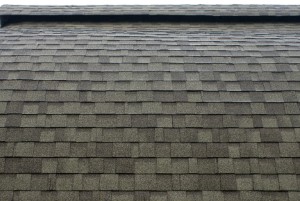
Living in Bolivia, NC means salt air, strong sun, and storm seasons that test every home. If you're planning a new roof, you're likely asking how long it will really last here. This guide breaks down realistic timelines for coastal North Carolina and what helps your roof reach the long end of its lifespan. If you are comparing materials or considering a total change, you can learn more about a full roof replacement and how it protects your home in our climate.
For local guidance you can trust, start with our new roof pros in Bolivia, NC at The Roof Maker. We install and service roofs across Brunswick County, from Winding River Plantation to Sunset Harbor and down NC‑211 toward Southport.
What Really Determines Roof Lifespan On The Coast
Every roof's clock is affected by a handful of local factors. In Bolivia, NC and nearby communities, four stand out: wind, water, sun, and salt. Each one chips away at materials in a different way.
- Wind: Gusts during tropical systems can lift shingles, flex fasteners, and stress seams over time.
- Water: Wind-driven rain finds weak spots at edges, flashings, and vents, which can shorten service life if not sealed by a pro.
- Sun: Long, hot summers bake roofing surfaces, aging asphalt and drying sealant lines faster than inland areas.
- Salt: Airborne salt near the Cape Fear coast accelerates corrosion on exposed metals and can degrade coatings and fasteners.
Installation quality and attic ventilation matter as much as the weather. A roof that's properly flashed and ventilated sheds heat and moisture, which helps the deck and shingles last longer. Poor ventilation traps heat, increasing curling and granule loss on shingles and stressing underlayments.
Typical Lifespans By Material In Coastal North Carolina
The ranges below reflect normal maintenance and professional inspections. Homes a few miles inland, such as River Run Plantation or along the Lockwood Folly River, may see the higher end of these ranges compared with ocean-facing exposures.
- Architectural asphalt shingles: about 15 to 25 years depending on product, roof pitch, and exposure.
- Premium asphalt or algae-resistant shingles: often 18 to 28 years with pro upkeep and balanced ventilation.
- Standing seam metal with coastal-rated coatings: typically 30 to 50 years when fasteners and sealants are maintained.
- Metal screw-down panels: often 20 to 35 years due to exposed fasteners that need periodic replacement by a professional.
- Synthetic or composite shingles: commonly 25 to 40 years, though sun and heat cycling remain factors.
Manufacturer warranties vary and usually assume proper installation and maintenance. That is why hiring a qualified roofing company and scheduling routine checkups is essential.
The Bolivia, NC Weather Factor: Wind, Rain, And Sun
Brunswick County's mix of Atlantic moisture and summer heat speeds up aging. Afternoon thunderstorms bring quick temperature swings that make materials expand and contract. Over years, this cycling can loosen sealant lines and weaken nail holds on shingles. Coastal gusts during named storms also push water under laps and through vulnerable edges if flashing is not tight.
Neighborhoods closer to open marsh or the Intracoastal Waterway experience heavier salt fog. That does not mean your roof fails early, but it does mean coating integrity and fastener choice matter. Coastal-rated metals and stainless or coated fasteners resist corrosion better and help your roof age gracefully.
Maintenance That Extends Roof Life
There is no DIY list here. Your safest, most effective plan is a professional maintenance schedule built around our seasons. A good rhythm is a spring inspection before hurricane season and a second inspection after major wind events.
What a pro focuses on:
- Inspecting and resealing flashings at chimneys, skylights, and pipe boots where leaks begin.
- Checking ridge caps, edges, and starter courses for uplift or broken bonds.
- Evaluating attic ventilation and insulation balance to reduce heat buildup and moisture.
- Replacing worn fasteners on metal systems and renewing seam sealants where required.
Homeowners can help without climbing ladders by scheduling service promptly and keeping trees professionally trimmed back from the roofline. Fast action after a storm prevents small issues from turning into deck damage.
Signs Your Roof May Be Near The End
Some wear is normal, but a cluster of the issues below suggests you should plan for replacement rather than spot repairs. A trusted roofer can confirm with a full inspection and photos.
- Widespread granule loss creating dark, smooth patches on shingles
- Curling or cupping tabs across multiple slopes
- Repeated leaks at different locations even after repairs
- Soft decking discovered during professional walk-throughs
- Rust streaks, failing gaskets, or loose seams on metal panels
If your roof is already near the end of its expected range and shows two or more of these signs, planning a roof replacement can protect your sheathing and interior finishes before the next major storm.
Asphalt Shingles Versus Metal: Which Lasts Longer Here?
Both can be excellent coastal choices when matched to your home and exposure. Architectural asphalt shingles are popular for value and curb appeal. They handle wind well when properly installed and sealed, and modern algae-resistant formulas help keep roofs looking clean in our humid climate.
Standing seam metal often lasts longer, especially with high-quality coatings designed for salty air. It sheds wind-driven rain effectively and reflects sun to reduce heat load. Metal also offers fewer exposed penetrations, which lowers maintenance demands over time. The best choice depends on roof pitch, nearby trees, distance from open water, and your long-term plans for the home.
Ventilation, Insulation, And Why They Matter
Even a premium shingle can age quickly if heat builds up in the attic. Balanced intake at soffits and exhaust at the ridge allows your roof system to breathe. That balance helps regulate temperature and moisture, reducing the risk of mold, deck rot, and premature shingle aging.
In older homes around downtown Bolivia or along rural routes, retrofitting ventilation and sealing attic bypasses before reroofing can add years to the system. Well-balanced airflow supports manufacturer performance claims and helps you reach the upper end of the lifespan ranges listed above.
Storm Readiness: Planning Before Hurricane Season
Coastal storms are part of life here. A simple plan with your roofer keeps you ready. Get documentation of your roof's age, materials, and warranty. Request a roof map with photos during your spring inspection so you have a baseline. After any event with high winds, a quick follow-up inspection helps catch lifted edges or punctures early.
If your roof is older and repairs are stacking up, discuss timing for replacement outside the peak storm window. Coordinating schedules ahead of time makes the process smoother and reduces the chance you are scrambling during a busy season.
When Repairs Are No Longer The Best Investment
Repairs make sense when damage is limited and the roof has plenty of life left. But repeated leaks, widespread material fatigue, or aging beyond the expected range signals it is time to invest in a new system. Replacing earlier can protect your decking and interior, and it gives you a fresh warranty starting now rather than after another storm season.
If you are weighing the switch, our team can inspect, document your options, and help you choose materials that fit your exposure and goals. You can begin by reviewing what goes into a professional roof replacement so you know how we stage the work around weather and protect landscaping and driveways.
How To Get The Most Years From Your Next Roof
Durability starts with a solid plan and professional execution. Here is a simple path homeowners around Bolivia, NC can follow with a trusted contractor:
- Choose materials rated for coastal conditions and confirm fastener and flashing specs match that rating.
- Address ventilation and attic moisture before installation day to protect your deck and shingles.
- Schedule routine maintenance visits and keep a written record with photos for warranty support.
- Call for a professional inspection after notable wind events and before listing the home for sale.
Follow this path and your roof is positioned to perform through long summers and the occasional hurricane season.
Talk With A Local Roofing Company You Can Trust
When you are ready to plan, The Roof Maker is here to help. Call us at 910-845-2255 to schedule your evaluation. If replacement is the right move, we will recommend the best system for your exposure and budget, then map out the work so it fits your calendar. You can also read more about our process and timeline for a complete roof replacement before we visit your home.
Prefer to start online? Learn about our approach to a new roof in Bolivia, NC and see why neighbors across Brunswick County choose us for reliable results.